Professional Trauma & Biohazard Cleanup
Paul Davis of South Central Wisconsin
Biohazard cleanup at a residential or commercial property is typically warranted when there has been a traumatic death of a person or animal, perhaps due to suicide, homicide, or accident. If a person or animal dies for any reason and their body is not removed quickly, it can also release biohazardous substances in the vicinity. Sewage leaks are another common reason for biohazard cleanup.
A biohazard is any biological substance that poses a risk to humans, animals, and the environment, such as blood, fungus, bodily waste, and microorganisms. Biohazard cleanup is crucial because it poses significant risks to both the occupants and the structural integrity of a building.
The Health Risks of Delaying Cleanup
- Infectious Diseases: skin conditions, respiratory problems, and more serious infections.
- Mold Growth Spores can infiltrate porous surfaces, building materials, and damage the indoor air quality.
- Odors: Smoke, decomposition, and other biohazards leave lingering, difficult-to-remove odors.
- Property Damage: Moisture, decay, or waste products from biohazards can cause structural damage or degrade surfaces.
Recovery Biohazard/Trauma cleanup Services Include the following types of situations:
- Unattended Death/Decomposition
- Homicide/Suicide
- Crime Scenes
- Biohazard Incidents
- Hoarding Scenes
- Trauma Incidents
- Biohazard Incidents
- Industrial or Home Accidents
- Animal Remains/Waste
- Forensic Investigation Chemicals
Trainings and Qualifications
Treating property cleanup situations that are the result of loss of life or injury needs to be handled with extreme specialized training, sensitivity, and discretion. So many of these jobs require the removal and disposal of blood, tissue, and other biohazards that can cause serious health risks.
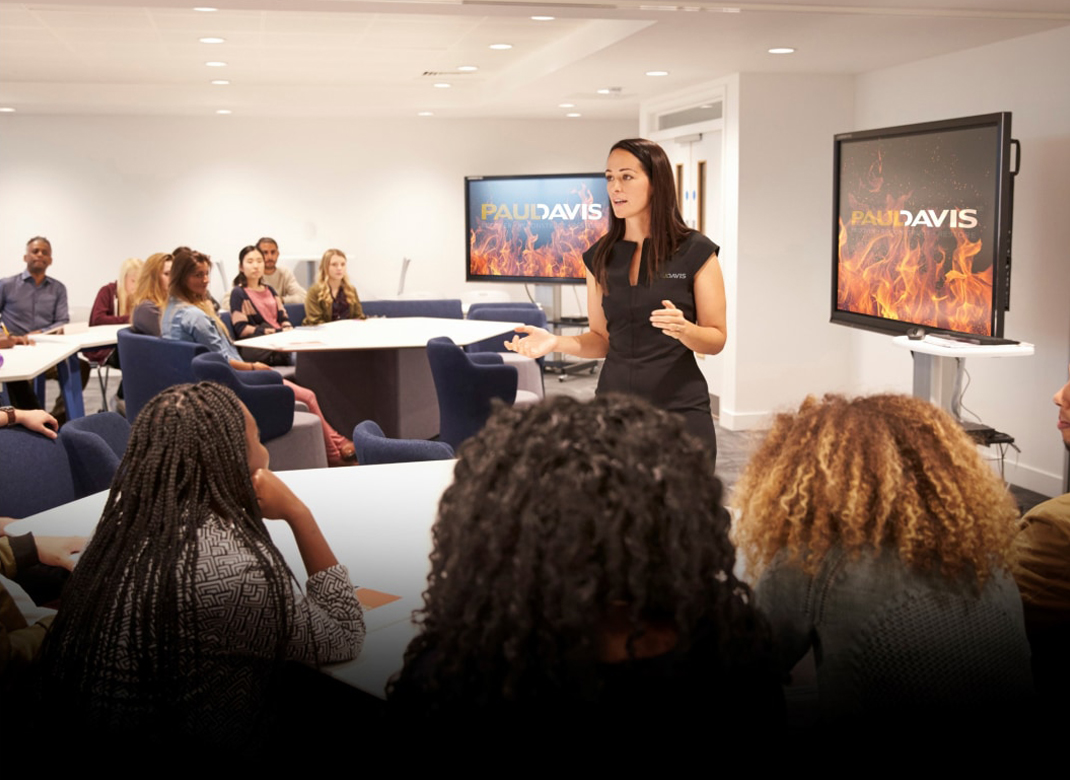
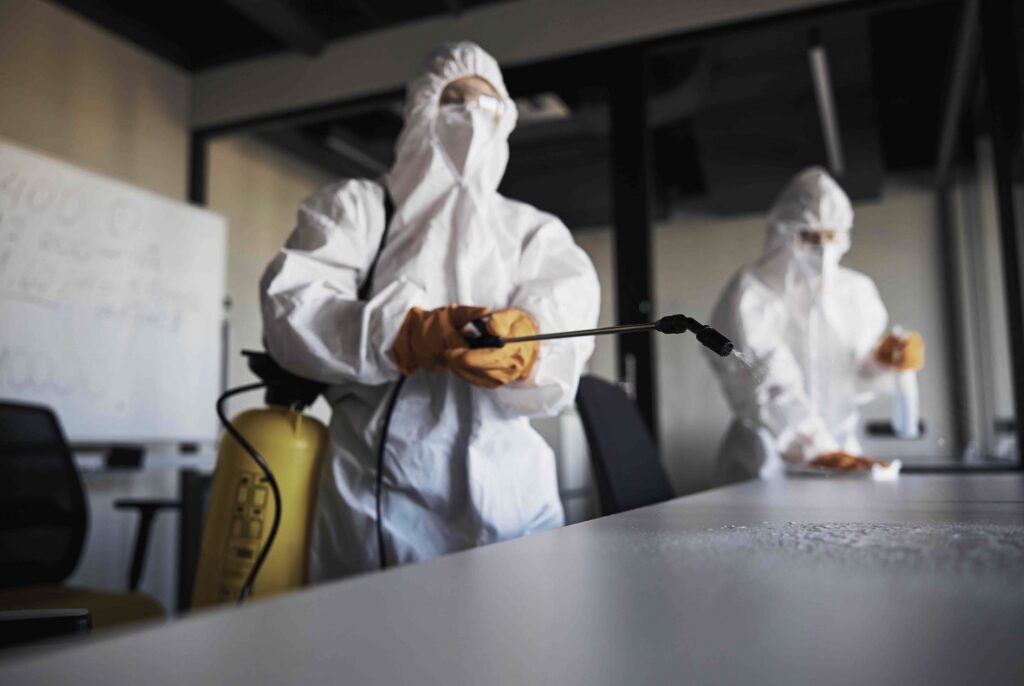
For everything from crime scene cleanup to disastrous sewage leaks, many have trusted us with biohazard removal cleaning services for years. Our professionals undergo several training courses and programs to learn specialized processes in biohazard and crime scene cleanup:
- Trainings provided by Paul Davis National
- Cleaning and Restoration Certifications (IICRC) approved courses
- And trainings through the National Institute of Decontamination Specialists (NIDS).
If you are needing a disaster recovery team, we are here to help with state-of-the-art tools and procedures for biohazard removal and cleanup. Additionally, we are always in compliance with all local, state, federal, OSHA and other regulations.
Things You Can Do until Help Arrives:
While you wait for a professional biohazard cleanup team, there are steps you can safely take:
- Do not touch or disturb contaminated materials or areas.
- Ventilate the space by opening windows and doors, if the weather and conditions allow.
- Remove any items from the area that are dry and safe to salvage.
- Wear gloves and protective clothing if you must handle any items or surfaces.
- Document any damage by taking photos. Do not put yourself at risk or disturb potential evidence.
DID YOU KNOW?
Biohazard Cleanup Process
We are available 24/7 to provide emergency assistance. Rapid response is key. Our initial goal is to stabilize the situation to prevent additional damage or exposure.
We inspect the scene to determine the types of biohazards, the scope of contamination, possible points of entry, any porous or non-porous materials affected (walls, furniture, flooring), and what items can be removed or need treatment.
We will seal off affected areas, isolate the hazards, and set up negative air machines to minimize cross-contamination.
All biohazardous waste is carefully removed using approved methods and procedures. We clean, disinfect, and decontaminate all surfaces, contents, and structural materials.
Smoke, mold, decomposition, and other sources of biohazards can leave persistent odors behind. We will use air scrubbers, deodorizing agents, and sometimes fogging to neutralize and remove odors. We also test and clean HVAC or ductwork if airflow has been compromised.
Once the property is safe, we repair or replace damaged materials that cannot be cleaned, such as drywall, flooring, insulation, cabinetry, and more. Final cleaning includes making the home comfortable and usable again.
We document our work, before & after photos, and log moisture meters and other air quality tests to help homeowners with insurance claims. We can also support and guide you through the insurance claims process.
Frequently Asked Questions
What is residential biohazard cleanup?
Residential biohazard cleanup is the process of cleaning, disinfecting, and restoring areas that have been contaminated with hazardous materials such as blood, bodily fluids, sewage, animal waste, mold, or remains from trauma and death scenes. The goal is not only to remove visible mess but also to safeguard health, eliminate contamination, and restore the space to a safe condition.
Why can’t I clean up biohazards myself?
Biohazard cleanup requires more than surface cleaning. Professionals use certified training, specialized safety gear, and commercial-grade disinfectants to ensure thorough decontamination and safe disposal. Attempting to handle it yourself can expose you to infectious diseases and make contamination worse.
What are the health risks of delaying cleanup?
Delaying cleanup can allow infectious diseases to spread, mold to grow, odors to worsen, and property damage to escalate. Prompt professional cleanup helps protect your health and prevents long-term structural issues in your home.
Does insurance cover biohazard cleanup?
In many cases, homeowner’s insurance may help cover the cost of biohazard cleanup. Paul Davis provides detailed documentation, including before-and-after photos and testing results, to assist with claims and can work directly with your insurance company.
When should I call a professional for biohazard cleanup?
You should call professionals any time you are faced with biohazards like sewage backups, crime or trauma scenes, mold outbreaks, animal decomposition, or hoarding situations. These hazards may contain dangerous bacteria, viruses, or toxins that can spread illness if handled improperly. Paul Davis crews are available 24/7 to respond immediately.
What should I do while waiting for help to arrive?
If it’s safe, ventilate the area by opening windows, remove only dry items you can salvage, wear gloves and protective clothing if handling anything, and take photos for insurance. Do not touch or disturb contaminated materials or potential evidence—leave the cleanup to professionals.
Does insurance cover biohazard cleanup?
In many cases, homeowner’s insurance may help cover the cost of biohazard cleanup. Paul Davis provides detailed documentation, including before-and-after photos and testing results, to assist with claims and can work directly with your insurance company.
What makes Paul Davis different from other cleanup companies?
We combine nationwide coverage with local expertise, certified and experienced technicians, compassionate service, and strict compliance with all local, state, and federal regulations. Families can trust us for respectful, discreet, and thorough biohazard cleanup.