


Choose a contractor you can trust
In the aftermath of property damage, whether from fire, water, or a natural disaster, homeowners are often overwhelmed and vulnerable. Unfortunately, this is when dishonest or inexperienced contractors tend to strike, offering quick fixes that can turn into long-term headaches.
To help you protect your home, money, and peace of mind, here are 7 key warning signs to watch out for, along with what to look for in a trustworthy restoration company.
1. Aggressive Door-to-Door Solicitation
Be cautious of contractors who show up uninvited after a disaster, especially those who use high-pressure sales tactics or claim to “have just finished a job in the neighborhood.” Reputable restoration companies don’t rely on door-to-door solicitation, they have established reputations and get referrals through their work, not cold calls.
Tip: If someone shows up unsolicited, ask for their business card, license, and references, and never feel pressured to sign anything on the spot
2. Demanding Upfront Payments
If a company demands a large deposit or full payment before starting work, proceed with caution and ask questions. Legitimate restoration companies typically use fair, staged payment schedules tied to project milestones.
Tip: Be extra cautious if the contractor insists on cash payments, which are harder to track and recover in case of fraud.
3. Unusually Low Estimates
If an estimate seems “too good to be true,” it probably is. Low-ball offers without clear explanations and written documentation may indicate the contractor might cut corners, use low-quality materials, skip necessary permits, or add hidden fees later. In some cases, they might even disappear before completing the job.
Tip: If you’ve never worked with a restoration company before, be sure to compare written estimates from multiple providers and research your options carefully. You can also ask your insurance adjuster for recommendations or guidance.
4. Vague or Incomplete Contracts
A reliable restoration company will provide a clear, detailed contract. Some of the items typically included in a restoration contract are:
- The scope of work
- Materials to be used
- Scheduling, frequent updates, and timelines
- Warranties or guarantees
Tip: If a contract is vague, confusing, or lacks detail, have your insurance adjuster or attorney review it before signing.
5. Lack of Local Presence or community involvement
Be wary of “storm chasers.” Contractors who travel from town to town after natural disasters, often disappearing after the work (or partial work) is done, are not as reliable. A trustworthy company will have a local office, permanent staff, and ties to the community. When hiring a restoration contractor, look for:
- A physical business address
- Local phone number (not just a 1-800 number)
- Involvement in local organizations or charities
- Partnerships with local businesses, first responders, or chambers of commerce
6. Poor Online Presence or Reviews
Don’t just focus on ratings, pay attention to their years of business, number of reviews, and how the company responds to both positive and negative feedback. A reputable restoration company will have a strong, consistent online presence and a history of satisfied customers. Before hiring, be sure to research the company thoroughly by checking their:
- Google Business profile
- Customer reviews
- Better Business Bureau (BBB) rating
- Website for case studies, testimonials, or before and after’s
Tip: No reviews or a sudden burst of suspiciously positive ones may indicate a fake profile.
7. Lack of Certifications or Industry Credentials
One of the most important steps is verifying a restoration company’s certifications. These credentials ensure the company follows industry standards and best practices. When choosing a restoration company, look for certifications like the IICRC (Institute of Inspection, Cleaning and Restoration Certification). This is a widely recognized gold standard in the industry. An IICRC-certified company demonstrates expertise, professionalism, and a strong commitment to quality work.
Tip: Ask if their technicians receive ongoing training to stay current on restoration methods, tools, and safety regulations.
Final Thoughts
When your property is damaged, you need more than just quick repairs, you need trust, transparency, and expertise. Choosing the right restoration company can make all the difference between a smooth recovery and a stressful, costly ordeal. If you’re ever unsure, don’t hesitate to get a second opinion, talk to your insurance adjuster, and take your time making a decision. At the end of the day, you choose who helps you after a property disaster has occured, and it’s a decision you should feel confident in.
Our Work
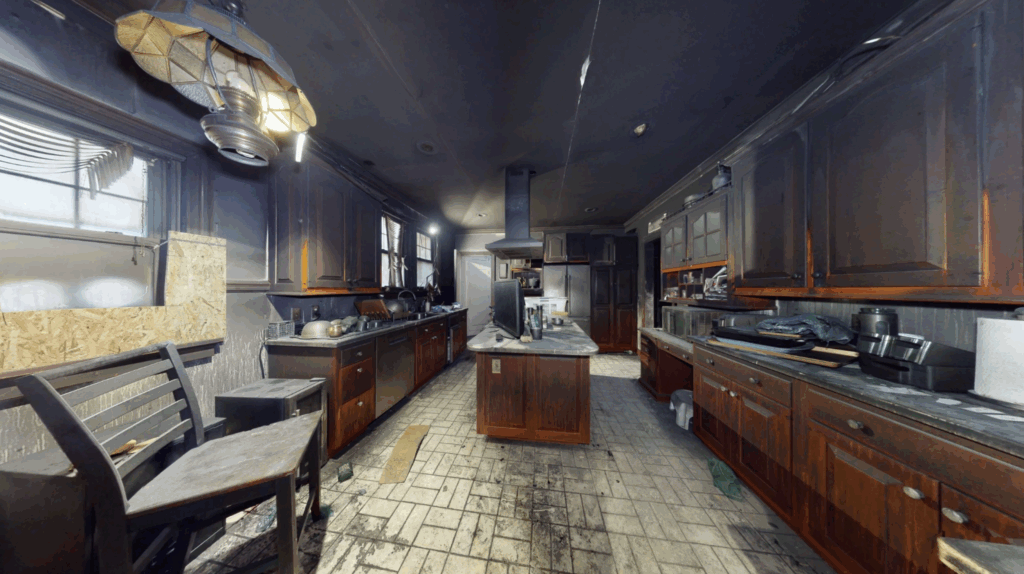
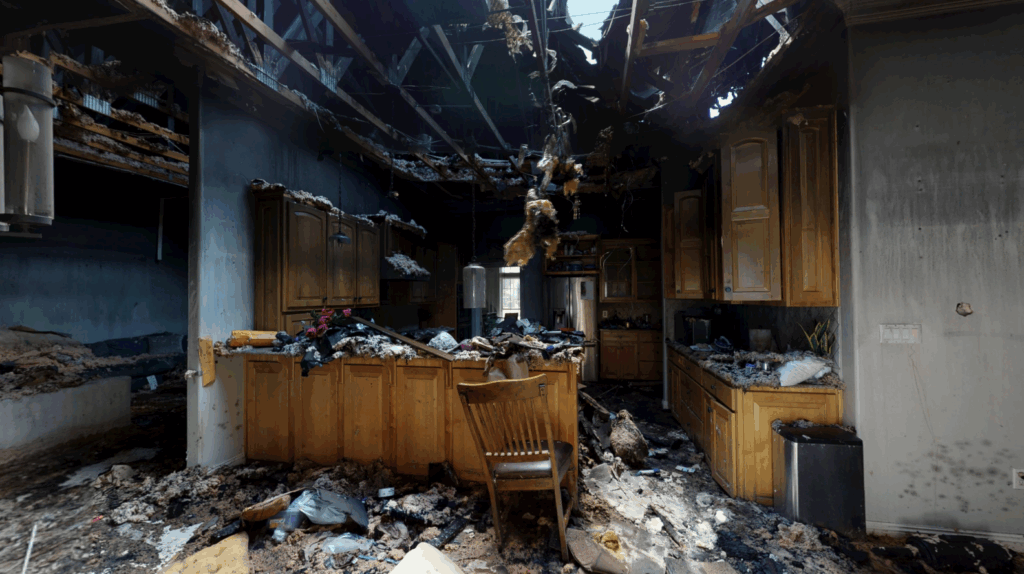
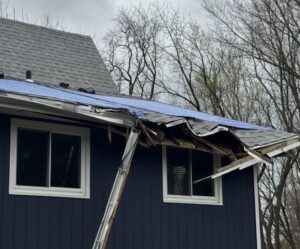
Below are a few examples of our past work. If you’d like to see more, click here to view our full before & after gallery. If your property has been affected by flood, fire, storm, or mold damage, we’re here to help — 24/7, 365 days a year.


